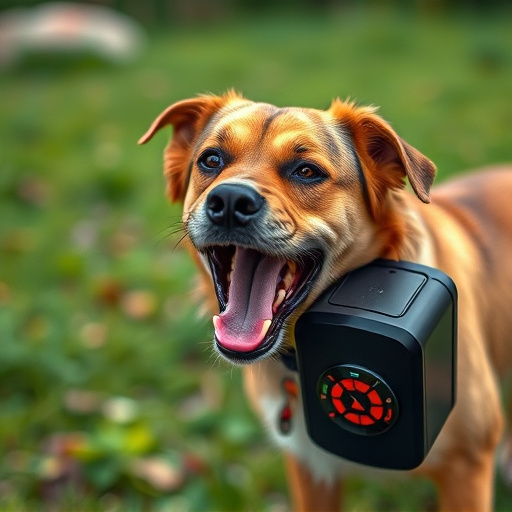
Bark prevention electronic handheld devices offer a humane and effective solution for managing canine behavior issues. These gadgets emit ultrasonic sounds or vibrations to deter dogs from excessive barking, with adjustable sensitivity settings and a coverage area of 50-100 feet, ideal for indoor and outdoor use. Key components include sound detection, processing, and safe stimulants, while their adaptability, portability, and user-friendly interfaces make them a top choice for pet owners worldwide. For optimal use, acclimate your dog to the device's sounds in a controlled environment before introducing its deterrent functionality, training within the designated coverage area using voice commands and hand gestures.
“Discover the revolutionary world of Bark Prevention Electronic Handheld Devices, offering a humane and effective solution to manage canine noise. This comprehensive guide explores the intricacies of these innovative tools, from understanding their core technology to demystifying their key components and functionality. We delve into the benefits, advantages, and optimal use cases across various scenarios, including public spaces, backyards, and more. Learn essential selection criteria and training guidelines for achieving quiet, peaceful environments without compromising your pet’s well-being. Explore the future of dog deterrents today.”
- Understanding Bark Prevention Electronic Handheld Devices
- Key Components and Functionality of a Handheld Dog Deterrent
- Benefits and Advantages in Different Scenarios
- Selection Criteria for Choosing the Right Device
- Training and Use Guidelines for Optimal Results
Understanding Bark Prevention Electronic Handheld Devices
Bark prevention electronic handheld devices are innovative tools designed to address canine behavior issues in a humane and effective manner. These devices emit a series of ultrasonic sounds or vibrations when a dog barks excessively, aiming to deter them from the unwanted behavior. The key advantage lies in their portability; as handheld devices, they offer easy maneuverability for trainers and pet owners to target specific areas where barking occurs.
The coverage area of these gadgets is typically quite extensive, allowing users to control barking dogs from a distance. This feature makes them versatile, suitable for both indoor and outdoor settings. In terms of effectiveness, various models boast adjustable sensitivity settings, ensuring they can respond to even the most persistent barkers while minimizing false triggers. By understanding how these devices work, pet owners can make informed decisions about managing their dog’s barking effectively.
Key Components and Functionality of a Handheld Dog Deterrent
A handheld dog deterrent, also known as an electronic bark prevention device, is a compact and powerful tool designed to manage and control excessive canine barking. Its key components include a sensitive microphone to detect barking, a processor to analyze the sound, and a safe but effective stimulant like a static shock or ultrasonic sound to deter the dog. These devices offer adjustable settings for different situations and animals, ensuring a tailored response.
The functionality of such a device extends beyond just silencing barking. It aims to train dogs by conditioning them to associate certain behaviors with specific outcomes, thereby modifying their behavior over time. The coverage area is typically around 50-100 feet, allowing for effective use in yards or public spaces where barking can be a nuisance. This portable nature and controlled stimulation make it a convenient and humane solution for dog owners dealing with persistent barking issues.
Benefits and Advantages in Different Scenarios
The bark prevention electronic handheld device offers a multitude of benefits and advantages in various scenarios, making it a popular choice for pet owners worldwide. One of its key strengths lies in its extensive coverage area. Unlike traditional methods that rely on constant monitoring, this device provides a hands-free solution, allowing users to move about freely while still effectively managing their dog’s barking. This is particularly beneficial in larger yards or open spaces where maintaining visual contact can be challenging.
In urban settings or crowded parks, the handheld dog deterrent‘s discreet and non-confrontational approach is invaluable. It emits safe, low-frequency sound waves that disrupt a dog’s bark without causing harm, making it ideal for public spaces where noise complaints might arise from more aggressive deterrents. Moreover, its portability enables pet owners to quickly address barking issues on the go, whether at a neighbor’s house or during a walk in the park, ensuring peace and harmony in diverse environments.
Selection Criteria for Choosing the Right Device
When selecting a bark prevention electronic handheld device, several key factors come into play to ensure it’s the right fit for your needs and your dog’s behavior. The coverage area is a primary consideration; you’ll want a device that can effectively target your dog in various settings, whether in your backyard or during walks. Look for devices with adjustable frequency ranges to cater to different environments and interference levels.
Additionally, consider the ease of use and portability of the handheld device. A lightweight, ergonomic design will make it more convenient to carry during training sessions. Features like customizable settings, automatic shut-off timers, and different intensity levels allow you to adapt the device’s performance according to your dog’s response. Always opt for a device with a user-friendly interface and clear instructions to ensure effective and safe bark deterrence.
Training and Use Guidelines for Optimal Results
For optimal results with a bark prevention electronic handheld device, proper training and consistent use are key. Begin by acclimating your dog to the device in a controlled environment, allowing them to get used to the sound and vibrations without the full deterrent functionality activated. This process helps reduce stress and anxiety associated with the device. Once comfortable, expand the training to include the actual coverage area where the handheld dog deterrent will be deployed.
During use, ensure clear communication with your pet. Use voice commands and hand gestures to reinforce good behavior before and during bark episodes. Regularly review basic obedience commands as well, reinforcing positive reinforcement techniques. The more in sync your dog is with these commands, the better they’ll respond to the device’s deterrents. Remember, consistent use within the designated coverage area of the handheld device is essential for teaching your dog to associate their barks with the consequence, thereby reducing unwanted barking.
Electronic bark prevention handheld devices offer a humane and effective solution for managing dog barking. By understanding their key components, benefits in various scenarios, and following proper training guidelines, pet owners can choose the right device with the desired coverage area to address unwanted barking. With consistent use and patience, these tools can help create a calmer environment for both pets and their owners.