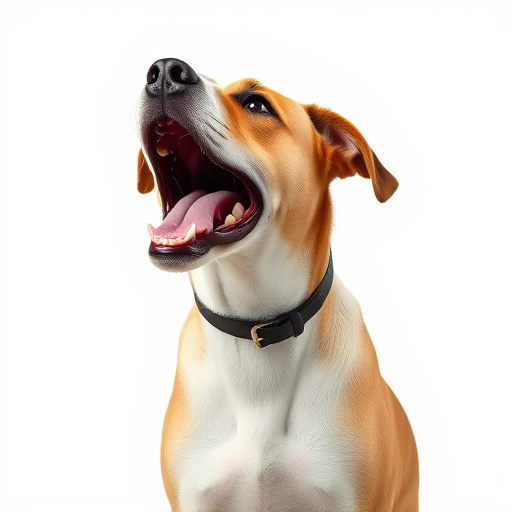
Sound wave technology, a non-lethal pet behavior control method, uses inaudible high-frequency ultrasonic waves to deter behaviors like barking or chasing. Handheld dog deterrents, with adjustable sound intensity and frequency, cover areas up to 10-15 meters (32-49 feet) depending on model and environment. Effective usage requires consistent application over time, targeting specific problem areas for successful training. These devices offer broad Coverage Area suitable for outdoor settings and multiple rooms, distinguishing them from traditional deterrents like spray or electric fences. However, not all animals respond equally, and guidance is essential to ensure pets' safety and well-being during training.
“Unleash a new era in pet training with sound wave technology, a innovative approach to behavior control. This article explores the potential of using sound waves as a safe and effective method for managing pet behavior, specifically focusing on handheld dog deterrents. We delve into the science behind this technology, examining its coverage area and effectiveness, while highlighting the benefits and considerations for pet owners. Discover how these devices can create a calm environment, offering a practical solution for training in various settings.”
- Understanding Sound Wave Technology for Pet Behavior Control
- The Coverage Area and Effectiveness of Handheld Dog Deterrents
- Benefits and Considerations: Using Sound Waves to Train Pets
Understanding Sound Wave Technology for Pet Behavior Control
Sound wave technology, also known as ultrasonic or sound-based deterrents, is a non-lethal method gaining traction in pet behavior control. These devices emit high-frequency sound waves that are inaudible to humans but can be irritating or even painful for pets, particularly dogs. By targeting specific behaviors like barking, jumping, or chasing, handheld dog deterrents equipped with this technology offer a humane alternative to traditional training methods and chemical repellents.
The coverage area of these devices varies depending on the model and environmental factors. Handheld deterrents are typically designed for localized control, ideal for managing pets in specific rooms or outdoor areas. Their portability allows for easy adjustment of the sound intensity and frequency, catering to different pet sensitivities. Understanding the range limitations ensures effective usage without causing unnecessary distress to nearby animals or humans not targeted for behavior correction.
The Coverage Area and Effectiveness of Handheld Dog Deterrents
Handheld dog deterrents, often employed as a non-lethal method for pet behavior control, have gained popularity among dog owners and professionals alike. These devices utilize sound waves to create an audible barrier, effectively training dogs to stay away from certain areas or behaviors. The coverage area of these handheld devices is a significant factor in their overall effectiveness. Typically, they emit ultrasonic sounds that are beyond the hearing range of humans but can be detected by canines, covering spaces up to 10-15 meters (32-49 feet) in diameter, depending on the model and environmental conditions.
While these deterrents may not work immediately for all dogs, consistent usage over time can significantly improve their effectiveness. The key lies in understanding that each device’s coverage area must align with the problem areas where unwanted behaviors occur. For instance, if a dog has a tendency to jump on furniture in one specific room, using a deterrent focused on that particular space can help train the dog to avoid jumping there. Regular practice and precise targeting within the coverage area ensure positive results, making these handheld devices versatile tools for pet behavior management.
Benefits and Considerations: Using Sound Waves to Train Pets
Using sound waves for pet behavior control offers several advantages and has gained significant attention as a non-lethal alternative to traditional training methods. One of the key benefits is its effectiveness in covering a large area, making it ideal for managing pets in outdoor settings or multiple rooms indoors. Unlike spray deterrents or electric fences, which may have limited range or be invasive, handheld dog deterrents that utilize sound waves can provide precise control without restricting movement.
When considering this method, it’s essential to recognize its potential drawbacks. Not all animals respond similarly to sound waves, and certain breeds or species might require specific frequencies or training sessions to learn the desired behavior. Additionally, ensuring the safety and well-being of pets during training is crucial, as incorrect usage could lead to distress or anxiety. Therefore, proper guidance and understanding of the technology are essential for responsible pet training with sound wave deterrents.
Sound wave technology for pet behavior control offers a innovative, non-lethal approach to managing canine deterrence. While handheld dog deterrents have shown promise in terms of their coverage area and effectiveness, it’s crucial to consider potential benefits and drawbacks before implementation. Careful consideration of factors like sound intensity, animal welfare, and environmental impact is essential for responsible and ethical use of this technology. Further research and consumer awareness are key to harnessing the power of sound waves for positive pet training outcomes.